The 7 BEST Ryokans in Hakone 2026
Discover Hakone ryokans with memorable hot springs, thoughtful hospitality, and settings worth savoring. Finding a Hakone ryokan that balances tradition, comfort, and location can be tricky. This curated list highlights stays suited to different travel styles.
Ashinoyu 57, Hakone
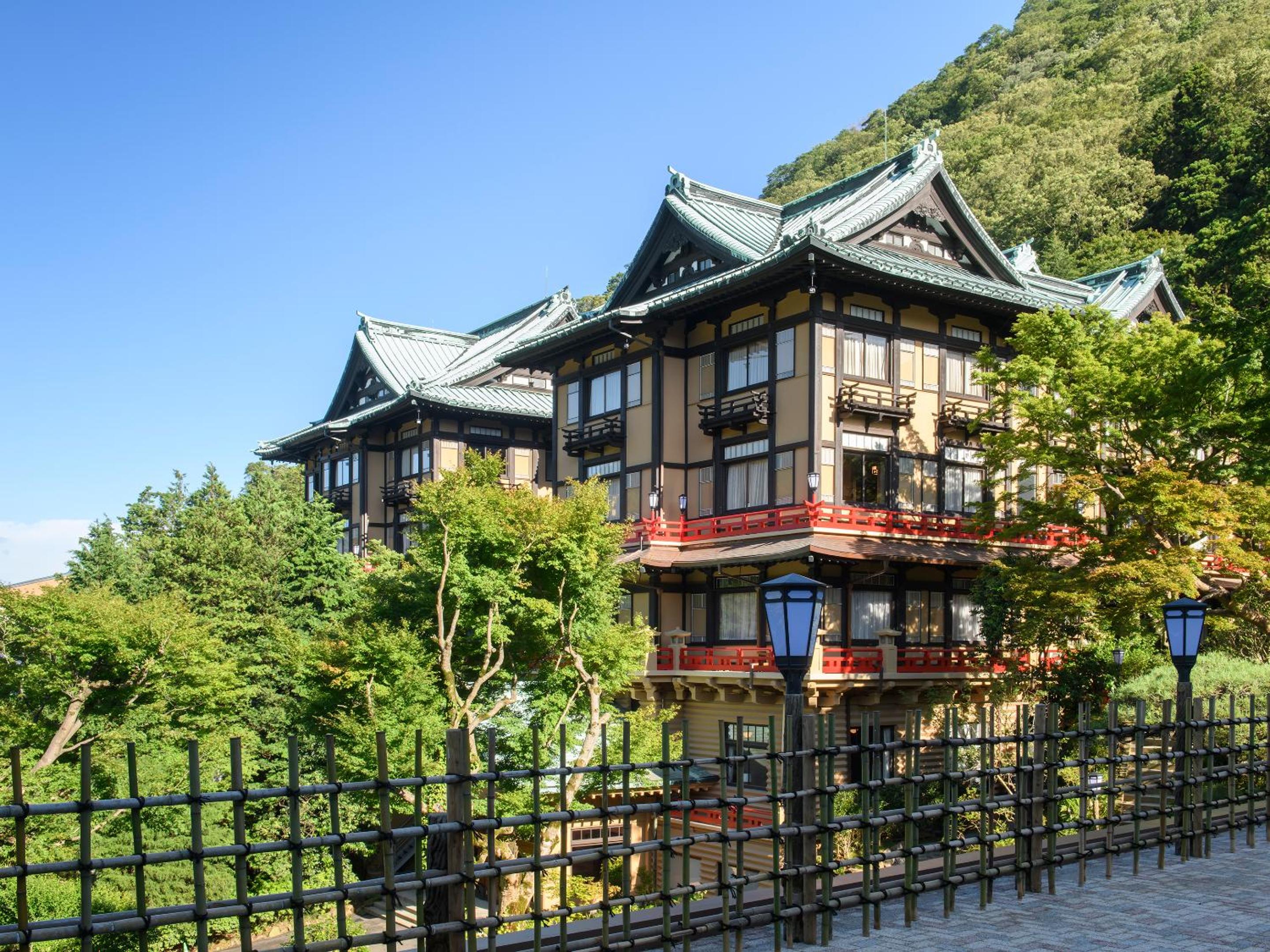
Historic inn with spring-fed baths and mountain calm. A long-established inn pairs traditional Japanese rooms with natural hot-spring baths, including rooms with private open-air bathing. Japanese cuisine and the quiet garden setting add to its restorative, unhurried feel. It’s in Ashinoyu, near Hakone Yunohana Golf Course. Choose this stay for a sense of history and a slower, more secluded side of Hakone ryokan life.
Yumoto 597, Hakone
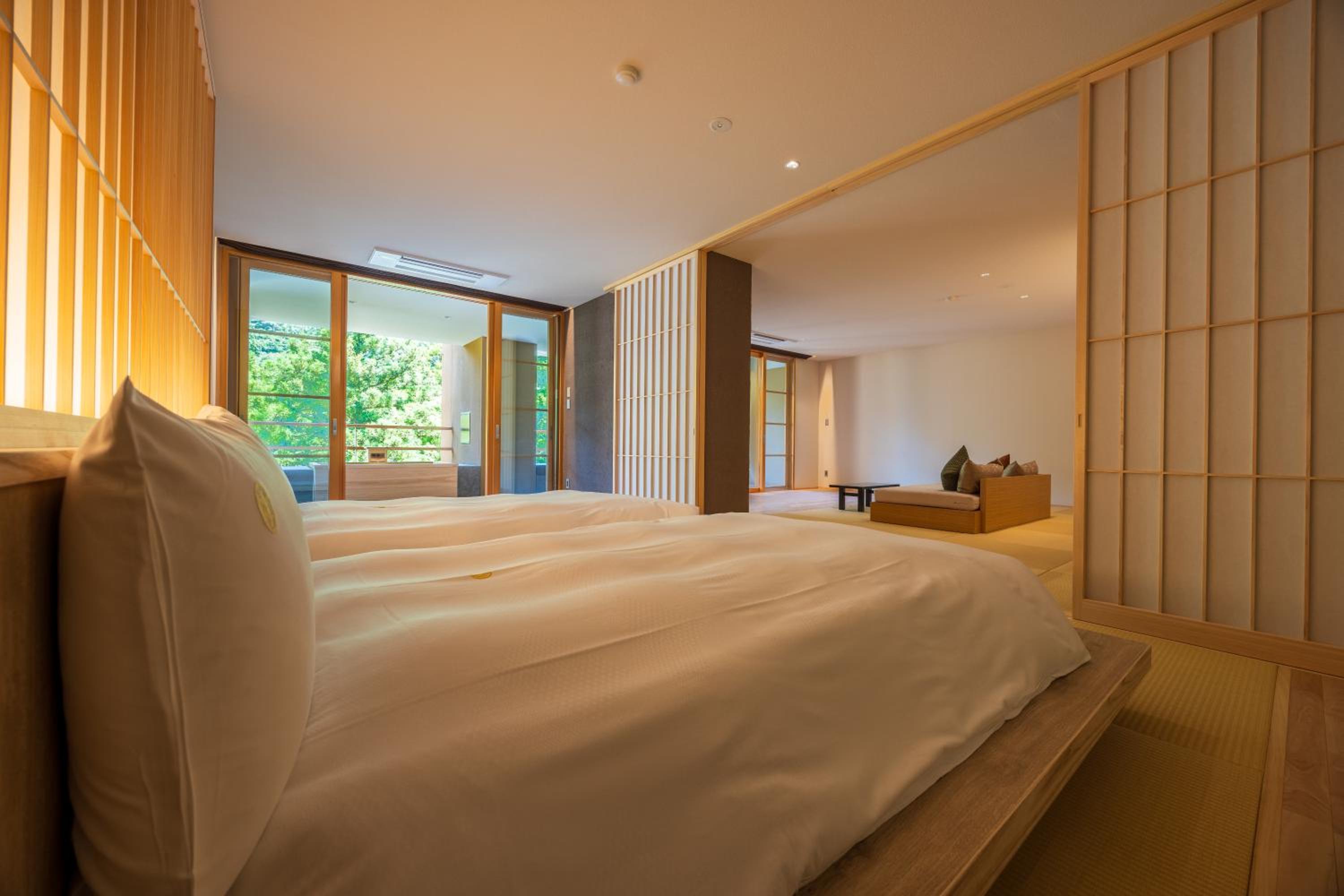
A garden ryokan with source-fed baths and seasonal dining. Tatami rooms, futon bedding, and yukata keep the stay grounded in familiar ryokan traditions. Soak in spring-fed baths, then enjoy seasonal Japanese set meals and a stroll through the expansive garden. Hakone-Yumoto Station is about a seven-minute walk away. This is a relaxed, traditional choice if you want a garden retreat close to town.
425-1 Miyanoshita, Hakone, Kanagawa, 250-0404, Hakone
Tatami rooms and quiet hot springs near Gora. Tatami-floored rooms and Japanese meals give this inn a reassuringly traditional character. Hot-spring baths, including private open-air options in some rooms, add a restorative note to your stay. The Hakone Open-Air Museum is about 600 meters away, and Hakone Gora Park is roughly 1.3 kilometers away. It suits you if you want a peaceful ryokan atmosphere within reach of Hakone’s art and gardens.
Yumotochaya 139-5, Hakone
Tatami stays with kaiseki and river-view bathing. Futon-on-tatami rooms and traditional multi-course kaiseki make this a straightforward, satisfying ryokan stay. Indoor and outdoor hot-spring baths, with private-bath options, invite you to unwind after a day out. Hakone-Yumoto Station is about a 12-minute walk away, and the station’s shopping street is around five minutes away on foot. It’s a comfortable pick for classic ryokan touches near Hakone-Yumoto’s shops and transport.
Ashinoyu 93, Hakone
Tatami rooms meet milky-white onsen in mountain quiet. Tatami rooms and futon bedding bring a traditional Japanese feel to this peaceful mountain stay. Its indoor and outdoor baths use the area’s distinctive milky-white hot-spring water, and dinner features Japanese cuisine made with local ingredients. The inn is beside Hakone Yunohana Golf Course, about a 13-minute drive from Kowakidani Station. It’s a soothing choice if you want onsen, Japanese hospitality, and a quiet setting above the bustle.
Ashigarashimo District Gora 1300, Hakone
Traditional rooms open onto gardens and onsen baths. Japanese-style rooms, garden views, and hot-spring baths give this inn a classic ryokan feel. Seasonal Japanese dining and its leafy grounds make downtime feel as rewarding as exploring Hakone. Gora Station is about a two-minute walk away, and Hakone Gora Park is roughly 600 meters away. It’s a welcoming choice for a traditional stay with easy access to the area’s sights.
Gora 1300, Hakone
An imperial retreat with refined kaiseki and onsen. Traditional Japanese design and carefully presented kaiseki bring the ryokan experience into focus. Hot-spring baths and a peaceful setting in the Hakone mountains make it easy to slow down. You’re about a five-minute walk from Gora Station and close to the Hakone Open-Air Museum. This is a polished, restorative stay for you if you want classic hospitality with a quietly luxurious touch.
Frequently Asked Questions
What is the best time of year to visit ryokans in Hakone?
The best time to visit ryokans in Hakone is during spring, from late March to early May, when cherry blossoms bloom. Autumn, from mid-September to November, is also beautiful with vibrant fall foliage.
How can I reach Hakone from Tokyo?
You can take the Odakyu Limited Express Romancecar from Shinjuku Station to Hakone-Yumoto Station. The journey takes about 85 minutes and offers scenic views along the way.
What amenities should I expect in a traditional ryokan?
Most traditional ryokans offer tatami mat rooms, futon bedding, communal onsen baths, and kaiseki dining experiences made from local ingredients.
Are there any ryokans with private onsen baths?
Yes, many ryokans in Hakone offer rooms with private onsen baths. Be sure to check the room details when booking to ensure privacy.
What type of food is typically served at ryokans?
Ryokans typically serve kaiseki, a multi-course Japanese dinner that highlights seasonal ingredients. Breakfast usually includes traditional dishes like grilled fish, rice, and miso soup.
Is it customary to wear a yukata at a ryokan?
Yes, wearing a yukata, which is a casual cotton kimono, is customary at ryokans. Most establishments provide guests with a yukata to wear during their stay.
Can I experience local culture while staying at a ryokan?
Many ryokans offer cultural experiences such as tea ceremonies, calligraphy lessons, or guided tours of nearby temples and shrines. Check with your ryokan for available activities.
What should I know about onsen etiquette?
Before entering an onsen, rinse your body thoroughly at the washing stations. Swimwear is not allowed in the baths, and towels should not be brought into the water.
Are there ryokans in Hakone that cater to families?
Yes, several ryokans in Hakone are family-friendly and offer spacious rooms, child-friendly meals, and activities suitable for all ages.
What local attractions are near the ryokans in Hakone?
Nearby attractions include the Hakone Open-Air Museum, Lake Ashi, and the Hakone Shrine. Many ryokans provide shuttle services to these popular sites.