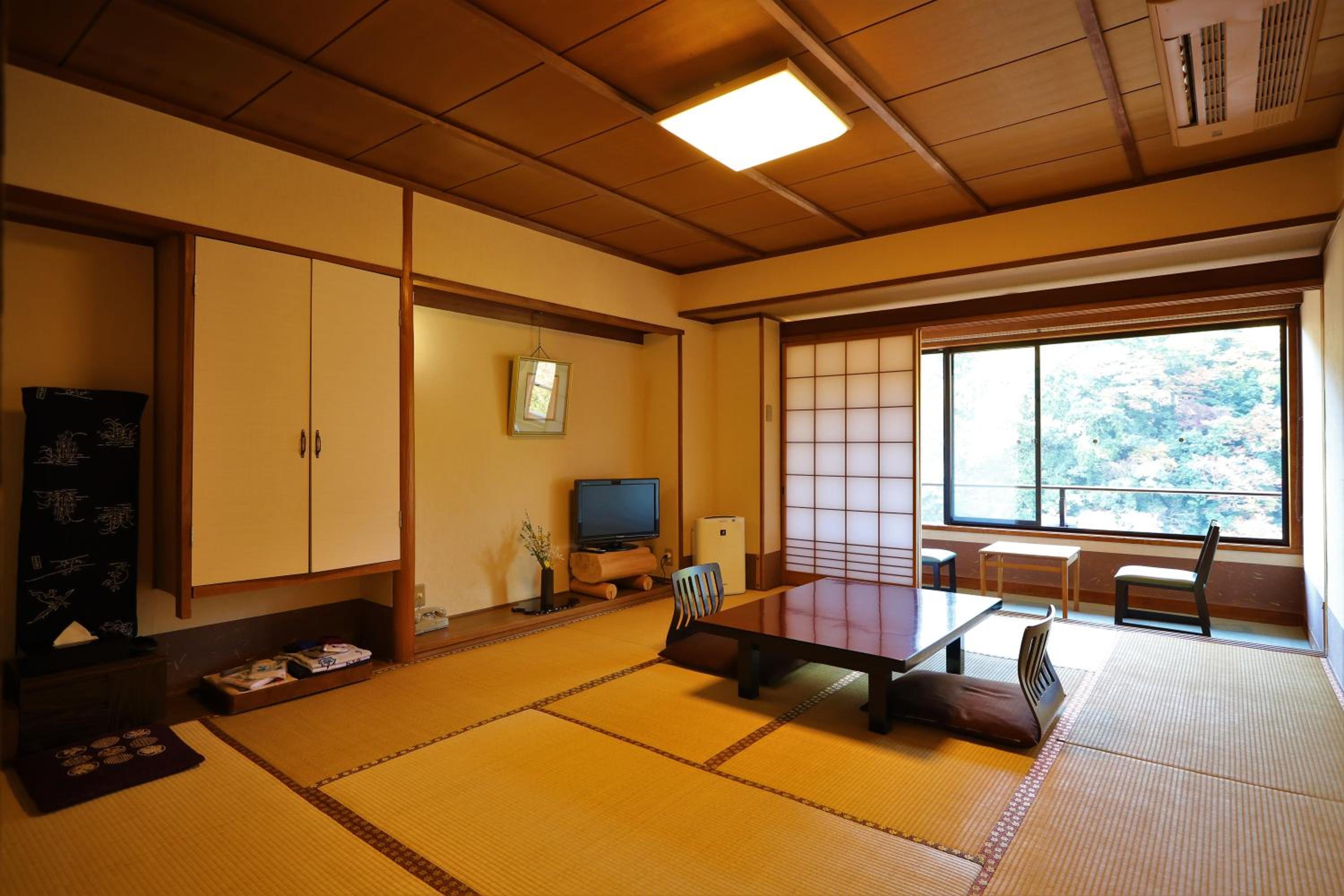
The 8 BEST Ryokans in Kyoto 2026
Discover Kyoto ryokans known for traditional hospitality, memorable settings, and a restful stay. Finding a Kyoto ryokan that fits your plans can be difficult amid countless traditional stays. This list highlights memorable options for an easier, more confident choice.
511 Washio-cho, Koudaijimichi, Higashiyama-ku, Kyoto, Kyoto, 605-0072, Kyoto
A quiet Higashiyama inn with classic Kyoto hospitality. Tatami rooms and a tranquil courtyard make the traditional Japanese inn experience feel easy to settle into. Attentive service and Kyoto-style dining bring the city’s culture to the table, too. Kodaiji Temple is about a 5-minute walk away, with Yasaka Shrine roughly 10 minutes on foot. You get a peaceful, intimate ryokan stay right in historic Higashiyama.
467 Nishitachibana-cho, Higashiyama-ku, Kyoto, Kyoto, 6050907, Kyoto
Historic wooden rooms and a garden lend quiet character. Traditional Japanese-style rooms, a garden, and wooden baths give Seikoro a warm, distinctly Kyoto feel. A traditional Japanese dinner adds a memorable taste of local hospitality to your stay. The Kyoto National Museum is about a 10-minute walk away, and Shichijo Station is nearby. This is a gracious, restful ryokan for travelers who value heritage and thoughtful service.
34 Nanzenji Fukuji-cho, Sakyo-ku, Kyoto, Kyoto, 606-8435, Kyoto
Tatami rooms open onto the calm of a Japanese garden. Tatami rooms and Japanese futon bedding bring the familiar rhythms of a traditional Kyoto inn into your stay. Its garden setting and Japanese cuisine deepen the sense of place, especially after a day out. Nanzen-ji Temple is right beside the inn, and the Philosopher’s Path is about a 10-minute walk away. You’ll love this peaceful stay if temple walks and garden views are your kind of Kyoto.
66-2 Shokuya-cho, Shimo Juzuyamachi, Agaru, Akazu-dori, Shimogyo-ku, Kyoto, Kyoto, 600-8158, Kyoto
A wooden townhouse feel with futon-and-tatami rooms. Tatami rooms, futon bedding, and preserved wooden interiors give Ohanabo the feel of an old Kyoto inn. Kyoto-style kaiseki served in your room makes the stay especially personal and rooted in local tradition. Higashi Honganji Temple is about a 2-minute walk away, while Shosei-en Garden is roughly 4 minutes on foot. You get a welcoming, intimate ryokan experience close to the city’s main station.
Rokkakku - sagaru, Yanaginobaba, Nakagyo - ku, Kyoto, Kyoto, 604-8113, Kyoto
Generations of welcoming service in a tatami-floor inn. Tatami-floored rooms and traditional Japanese meals give Watazen the feel of a long-established city ryokan. Its home-like hospitality makes the classic inn experience feel warm rather than formal. Nishiki Market is about a 5-minute walk away, and Pontocho is roughly 10 minutes on foot. You’ll find a comfortable, culture-rich stay with Kyoto’s lively center close at hand.
405 Itzutsuya-cho Rokkaku Sagaru Yanagi, Kyoto, Kyoto, 604-8113, Kyoto
Futons, tatami, and a matcha welcome in central Kyoto. Tatami rooms and futon bedding make Matsui Honkan a solid choice for a traditional Japanese inn stay. A welcome of matcha and Kyoto sweets adds a gracious local touch from the moment you arrive. Nishiki Market is about a 2-minute walk away, with Pontocho close by as well. This lively yet traditional ryokan suits you if you want Kyoto culture woven into a central stay.
Shimogyo-ku Minoya-cho 179-1, Kyoto
Futon-and-tatami rooms sit beside Kyoto’s Kamo River. Tatami rooms, low tables, and futon bedding bring the essentials of a Japanese inn into your stay. Traditional Kyoto cooking and riverside dining add a flavorful sense of place. The Kamo River runs beside the property, and Kiyomizu-dera Temple is about a 20-minute walk away. You get an easygoing, riverfront ryokan stay with Kyoto’s traditions close by.
54-4 Arashiyama Nakaoshitacho, Nishikyo Ward, Kyoto, 616-0004, Japan
A riverside ryokan pairing Kyoto cuisine with hot springs. Traditional Japanese-style rooms and Arashiyama’s hot-spring baths make it easy to unwind in classic ryokan fashion. Seasonal Kyoto kaiseki brings another layer of local character to the experience. Togetsukyo Bridge is right nearby, and Tenryu-ji Temple is about a 10-minute walk away. This is a restorative Kyoto stay for anyone who wants river scenery and traditional hospitality together.
Frequently Asked Questions
What traditional amenities can I expect at a ryokan in Kyoto?
At a ryokan, you can expect tatami-matted rooms, futon bedding, and communal baths. Many also offer kaiseki meals, which are multi-course dining experiences showcasing seasonal ingredients.
How do I get to popular attractions from my ryokan?
Most ryokans in Kyoto are located near public transportation. You can easily access attractions like Kinkaku-ji or Fushimi Inari Shrine by taking a train or bus. It's advisable to check the nearest station beforehand.
Is it customary to tip in a ryokan?
Tipping is not customary in Japan, including at ryokans. Instead, showing appreciation through polite thank-yous or leaving a small gift for staff is appreciated.
What is the best time of year to stay in a ryokan in Kyoto?
The best times to visit are during the cherry blossom season in spring or the autumn foliage period. These seasons offer stunning natural beauty and enhance your ryokan experience.
Can I experience a tea ceremony while staying at a ryokan?
Yes, many ryokans offer traditional tea ceremonies as part of their services. It is often advisable to book this in advance to ensure availability during your stay.
Are meals included in the stay at most ryokans?
Many ryokans include dinner and breakfast in your stay. These meals are typically served in your room or in a communal dining area, featuring local and seasonal dishes.
What should I wear while staying at a ryokan?
You can wear casual, comfortable clothing while at a ryokan. Most provide yukatas, which are traditional robes, for guests to wear during their stay and especially during meals.
How can I ensure a quiet experience at my ryokan?
When booking, request a room away from common areas or busy streets. Additionally, visiting during off-peak seasons can lead to a more tranquil atmosphere.
What should I know about using the onsen at a ryokan?
When using an onsen, it is customary to wash and rinse your body before entering the communal bath. Swimwear is not permitted, and tattoos may be restricted at some ryokans.
Are ryokans in Kyoto accommodating for dietary restrictions?
Most ryokans are willing to accommodate dietary restrictions if informed in advance. It is best to communicate any specific needs when making your reservation.