The 8 BEST Tokyo Ryokan Hotels 2026
Discover Tokyo ryokan hotels offering tatami rooms, thoughtful hospitality, and a peaceful retreat from the city. Finding a traditional ryokan in Tokyo that balances authentic character with modern comforts can be tricky. This list highlights memorable stays across the city.
1-9-1 Otemachi, Chiyoda-ku, Tokyo, 100-0004, Tokyo
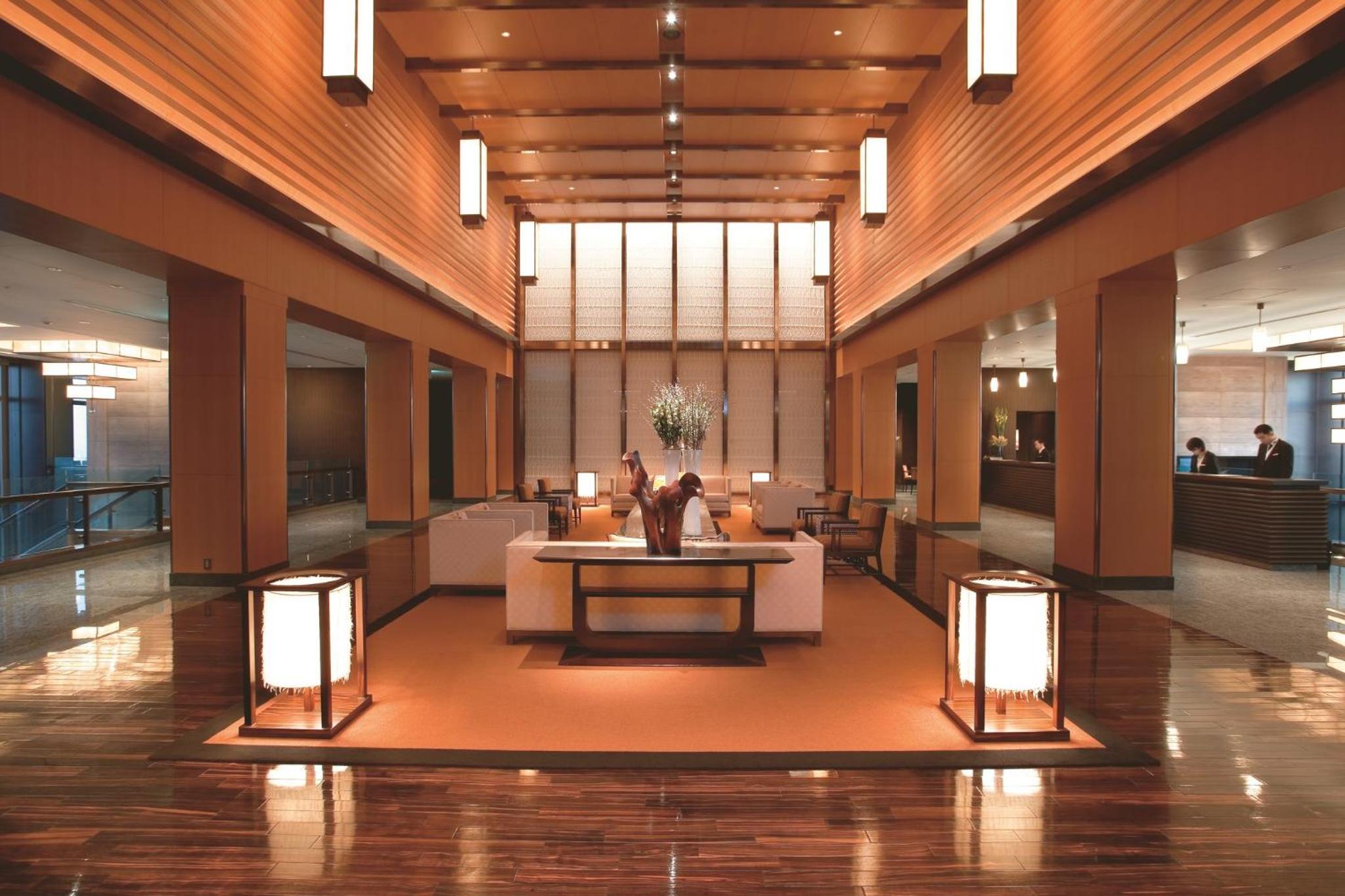
A private ryokan feeling on every tatami-lined floor. Tatami corridors link your room to an ochanoma, a traditional lounge shared by just six rooms on each floor. A rooftop natural hot spring and seasonal Japanese dining bring the classic ryokan ritual into a striking city tower. Tokyo Station is a 10-minute walk away, with the Imperial Palace grounds nearby. You get a deeply considered urban ryokan stay, especially rewarding when you want to slow down between Tokyo outings.
Taito-ku, Asakusa 1-31-11, Tokyo
Soak in a cypress bath above old-town Asakusa. Japanese-style rooms set you up with tatami and futon bedding for a classic ryokan night. The cypress bath on the upper floor adds a soothing soak, with views toward Tokyo Skytree and Senso-ji’s pagoda. Senso-ji Temple and Nakamise-dori, the historic shopping street, are about a five-minute walk away. You get an intimate, traditional stay right in the heart of Asakusa.
Taitoku Asakusa 3-32-12, Tokyo
Tea-house calm meets a rooftop open-air bath. Japanese-style rooms and futon options give this small ryokan a distinctly traditional feel. Its rooftop open-air bath and Japanese dining make unwinding part of the stay, not an afterthought. Senso-ji Temple is about a 10-minute walk away, and Asakusa Shrine is closer. You get a thoughtful, contemporary take on ryokan life that suits couples looking for a quieter Asakusa retreat.
Taito-ku, Asakusa 1-30-10, Tokyo
Tatami rooms and a complimentary private bath. Tatami floors, futon bedding, and Japanese tea sets make the rooms feel like a proper old-town inn. A free private bath and a lounge with traditional games add a friendly, personal touch. Kaminarimon Gate and Senso-ji Temple are about a two-minute walk away. You get a welcoming, hands-on ryokan stay with Asakusa’s classic sights just outside.
Taito-ku Hanakawado 2-12-11, Tokyo
Tatami in every room, with open-air baths upstairs. Every room pairs tatami flooring with a modern Japanese design, and some feature futons alongside low beds. Select rooms add private open-air baths, while the restaurant serves Japanese cuisine. The Sumida River is a short walk away, and Senso-ji Temple is about 10 minutes on foot. You get a polished, comfortable ryokan-style stay with room to choose how traditional you want your night to feel.
Taito-ku Shitaya 3-2-13, Tokyo
A machiya townhouse stay with tatami and garden views. This machiya-style townhouse offers Japanese rooms with tatami and futon bedding, alongside a traditional garden to admire. A private bath you can reserve adds an easy moment of ryokan-style relaxation. Ueno Park is about a 15-minute walk away, and Iriya Station is about five minutes on foot. You get a calm, characterful stay for travelers drawn to traditional Japanese interiors and a quieter neighborhood.
Taito-ku Nihonzutsumi 2-34-10, Tokyo
Futons, seasonal Japanese cooking, and a tiled jacuzzi. Tatami floors and futon bedding bring a genuine ryokan feel to this contemporary, design-led inn. Its Fuku Andon restaurant serves Japanese cooking, and a tiled jacuzzi offers a distinctive place to unwind. Minowa Station is about a five-minute walk away, while Asakusa is roughly 20 minutes on foot. You get a sociable, creative take on a traditional inn that suits travelers who enjoy a more intimate stay.
Taito-ku Yanaka 3-8-4, Tokyo
Futon rooms in the peaceful streets of Yanaka. Japanese-style rooms pair tatami floors with futon bedding, while private bathrooms keep the stay comfortable and easy. The intimate inn sits in Yanaka, a neighborhood with a distinctly old-Tokyo feel. Tenno-ji Temple is about a three-minute walk away, and Ueno Park is around 10 minutes on foot. You get a relaxed, straightforward ryokan stay for travelers who want traditional rooms and a quieter corner of Tokyo.
Frequently Asked Questions
What is a ryokan and how does it differ from a regular hotel in Tokyo?
A ryokan is a traditional Japanese inn that offers a unique cultural experience. Unlike regular hotels, ryokans typically feature tatami mat flooring, futon bedding, and communal baths. Guests often enjoy kaiseki meals, which are multi-course Japanese dinners.
Are there ryokans in Tokyo that provide a full traditional experience?
Yes, many ryokans in Tokyo offer a complete traditional experience. Look for establishments that include on-site onsens, tatami rooms, and meals prepared with seasonal ingredients. Some popular options are Hoshinoya Tokyo and Ryokan Sawanoya.
What should I expect in terms of amenities at a ryokan?
Amenities at a ryokan can vary, but many offer communal baths, private onsens, and complimentary tea service. You can also expect traditional yukata robes, slippers, and sometimes even cultural activities such as tea ceremonies.
How can I experience local culture while staying in a ryokan?
To immerse yourself in local culture, participate in activities offered by the ryokan such as cooking classes, calligraphy, or kimono dressing. Also, engage with the staff, who can provide insights into Japanese customs and traditions.
Is it common to share a bath in a ryokan?
Yes, many ryokans feature communal baths where guests share facilities. This is a traditional Japanese practice and is usually men’s and women’s bathing areas are separated. Some ryokans also offer private baths for those seeking more privacy.
What are some tips for booking a ryokan in Tokyo?
When booking, consider the location, especially if you want to explore specific areas of the city. Check for meal options included in your stay and inquire about any cultural experiences offered by the ryokan. It's also wise to book early, especially during peak seasons.
Can I find ryokans that cater to dietary restrictions?
Yes, many ryokans are willing to accommodate dietary restrictions. When booking, communicate your needs directly with the ryokan. Most places can create alternative kaiseki menus, so do not hesitate to ask.
What is the best way to travel to a ryokan in Tokyo from the airport?
From Narita or Haneda Airport, you can take an airport limousine bus or use the train system. The Narita Express and the Keikyu Line are convenient options. Once in the city, taxis or public transport can help you reach your ryokan.
Do ryokans provide English-speaking staff?
Many ryokans in Tokyo have English-speaking staff, but it is not guaranteed at all locations. To ensure a smooth stay, consider checking reviews online or contacting the ryokan directly to inquire about staff language capabilities.
What should I wear while staying in a ryokan?
While staying in a ryokan, it is customary to wear a yukata provided by the establishment. This casual robe is worn during your stay, especially for meals or while using the onsen. However, bring comfortable clothing for exploring the city.